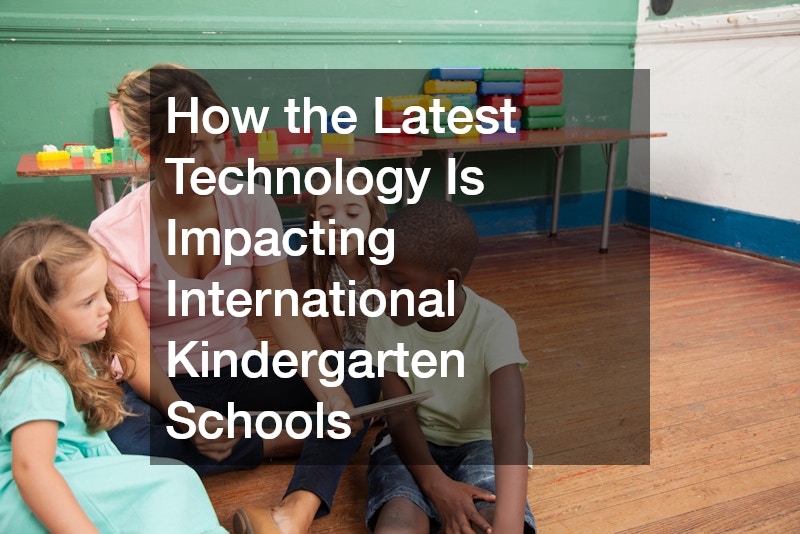

The rapid evolution and integration of technology into various facets of life have left no stone unturned when it comes to education, particularly in kindergartens around the world. This article meticulously explores the profound and transformative effect that digital advancements have had on international kindergarten schools. By carefully examining the latest technological advancements, addressing the challenges that come along with these changes, and considering the varying perceptions held by educators and parents, this article seeks to provide an in-depth understanding of how technology is actively reshaping educational practices for the youngest learners.
In recent years, there has been a significant surge in the development of educational tools and resources specifically designed for young children. Interactive learning apps, digital storytelling platforms, and virtual classroom environments are a few examples of innovative solutions that have gained traction in kindergartens worldwide. These advancements aim to foster engaging and interactive learning experiences that captivate the interest of young learners, making the educational process not only more enjoyable but also more effective.
The implementation of technology in kindergarten education brings along a plethora of challenges that schools must navigate. Among the foremost concerns is ensuring that these digital tools are age-appropriate and safe for young children. Educators and institutions must be diligent in selecting content that is not only informative but also developmentally suitable for kindergarten students. Furthermore, there is a pressing need for schools to train teachers adequately so that they can seamlessly integrate technology into their teaching methods. Providing professional development opportunities and resources is essential to help teachers stay adapted to these evolving tools and techniques.
1. What are the most significant technological advancements being utilized in international kindergarten schools?
The proliferation of interactive learning tools is revolutionizing early education. Smartboards and tablets are allowing for dynamic content delivery that captures young learners’ attention.
Virtual and augmented reality are emerging as powerful educational tools. These technologies create immersive experiences that enhance retention and engagement among children.
By integrating these technologies, kindergarten schools can personalize learning experiences. The interactive nature of these tools caters to different learning styles, fostering a more inclusive educational environment.
2. How is technology affecting children’s learning outcomes in these schools?
Technology plays a pivotal role in enhancing cognitive skills through gamified learning experiences. Educational games leverage children’s natural affinity for play to reinforce concepts and stimulate brain development.
As digital resources augment traditional methods, literacy and numeracy development benefit significantly. Interactive e-books and digital math games provide children with opportunities to practice skills at their own pace.
Research suggests that children who engage with technology-enhanced resources exhibit improved critical thinking skills. The integration of multimedia elements supports varied learning approaches and better retention.
3. What challenges do schools face when integrating new technology?
Budget constraints and resource limitations remain primary challenges in adopting new technologies. Many schools struggle to allocate sufficient funds for the latest equipment and software.
Educators require ongoing training to effectively utilize new technologies in the classroom. Professional development programs are essential to equip teachers with the necessary skills and confidence.
Despite these challenges, schools are seeking innovative solutions to integrate technology without compromising educational quality. Collaborative efforts and community partnerships are key to overcoming budgetary barriers.
4. How do parents and educators perceive the role of technology in early childhood education?
Parents and educators often find themselves balancing traditional and modern educational approaches. While many acknowledge the benefits of technology, there is a desire to maintain foundational teaching practices.
Concerns about screen time and technology dependence are prevalent among stakeholders. Discussions focus on striking a balance that maximizes the advantages of technology without hindering social and physical development.
Despite these apprehensions, the growing presence of technology is undeniable. Open dialogue between parents, educators, and technology developers is crucial in addressing concerns and shaping the future of early education.
5. What future trends are anticipated in the application of technology in these schools?
The rise of artificial intelligence is poised to revolutionize personalized learning experiences. AI can adapt educational content to meet the individual needs of each child, fostering more effective learning environments.
Advancements in connectivity and collaboration are expanding global educational opportunities. Technology is bridging geographical gaps, allowing kindergarten schools worldwide to share resources and best practices.
Looking forward, the integration of innovative technologies holds the potential to further transform early education. Continuous research and development are essential to harness these tools for maximum educational impact.